
Media Training Q&A with News Producer Turned Brand Strategy Leader Bruce Perlmutter
Award-winning journalist turned content and live event strategist talks to Rosen Group about media training and crisis management
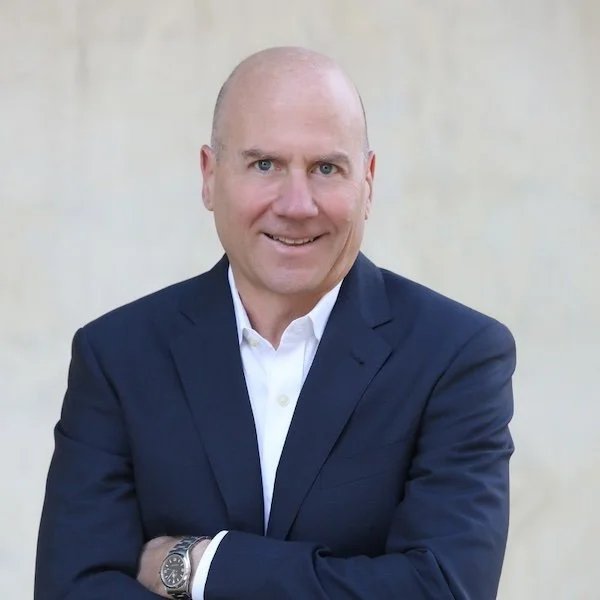
Bruce Perlmutter
A media and news industry veteran, Bruce Perlmutter has seen it all—from moments of crisis to hard-won triumphs and everything in between. Informed by his years in journalism as well as his experience heading strategy and content for brands including Amazon Music, Condé Nast, Fox Corporation, BuzzFeed and E! Networks, Bruce Perlmutter recently provided his perspective to Rosen Group on a topic that all too many organizations and executives continue to overlook and undervalue: media training.
What are the four main aspects that you focus on when doing media training?
I focus on four core pillars that consistently determine whether an interview succeeds or fails:
1. Know the outlet and the interviewer. Executives must understand who they’re speaking to, the tone of the outlet, and the interviewer’s style. Is it adversarial, conversational, fast-paced, or long-form? From there, we anticipate likely questions, so nothing feels surprising or destabilizing in the moment.
2. Define your narrative before you walk in. I work with clients to identify the three to four key points they must land, regardless of how the questions are framed. You may never be asked these directly, so the training focuses on how to naturally and credibly bridge to them. Every answer should have a clear takeaway—the “headline” you want the audience to remember.
3. Rehearsed authenticity. Authenticity doesn’t mean improvisation. The most effective executives sound natural because they’ve practiced. We rehearse language, tone, and pacing so the message lands as confident, human, and credible—never robotic.
4. Active listening and presence. Executives often think they know what’s coming, but the real skill is listening carefully to the actual question being asked and responding with intention. That includes camera presence: calm delivery, clear language, appropriate wardrobe, confident posture, and acknowledging the interviewer by name. How you look and sound matters as much as what you say.
Crisis management is a key aspect for executives. Can you provide some tips on how to manage “gotcha” interviews?
Having worked in the news business, I can say this plainly: it’s only a “gotcha” if you didn’t prepare. Executives should go into every interview assuming the hardest question will be asked—and be ready for it. The key is anticipation and composure. When you expect the tough questions, you can respond with a steady, controlled demeanor rather than defensiveness or surprise. That preparation doesn’t happen in isolation. Executives should rely on their PR team to pressure-test scenarios, identify vulnerabilities, and develop responses that are honest, measured, and authentic. When I see executives caught off guard on air, it’s rarely because the question was unfair—it’s because the preparation fell short.
Do you provide different advice for podcast interviews versus traditional broadcast interviews?
Yes—because they are fundamentally different formats. Podcasts are built on intimacy. They’re conversational, often long-form, and feel like a peek behind the curtain. The audience expects thoughtfulness, personality, and a bit of humanity. My advice is to be informed but relaxed, personal but purposeful. A podcast should feel like a real conversation, not a press conference. That said, podcasts are no longer audio-only. Most are filmed, streamed, clipped, and shared across social platforms. Because of that, executives must still apply broadcast discipline. Assume everything you say will be seen as well as heard. Look polished, dress appropriately, stay engaged, and take ownership of the conversation.
You were a producer at prominent news organizations for years. Can you share an embarrassing on-air story and how you would have handled it differently in retrospect?
There’s a common belief that on-air mistakes are hardest on the talent. I respectfully disagree. When something goes wrong, it’s just as painful, if not more so for the producer in the control room or on the set. I’ve had my share of moments over the years, more than I care to remember. With hindsight, it’s easy to say what should have been done differently. But every mistake became a learning experience, and the most important takeaway is this: I never made the same mistake twice. That mindset to learn quickly and apply it immediately is exactly what I bring to media training.
What type of executive is the most coachable when it comes to improving in media interviews?
The most coachable executive is the one who doesn’t say, “I built this company, so no one can tell me how to talk about it.” Knowing your business better than anyone does not automatically mean you know how to tell its story effectively. Media interviews are a specific skill set. The executives who improve the most are the ones who listen, stay curious, and understand that strong storytelling is a discipline—not an instinct.
Should guests repeat questions during media interviews?
No. Repeating the question often sounds unnatural, wastes time, and can dilute the impact of your answer. Instead, respond clearly and directly in a way that stands on its own.
What is the single most important piece of advice you give clients to maximize the value of media training?
Always start by understanding why you were booked and who the audience is. Every outlet serves a specific audience with specific expectations. When executives understand that context and tailor their answers accordingly, the interview becomes more relevant, more effective, and far more memorable. Know the audience, and everything else follows.
Connect with Bruce Perlmutter on LinkedIn to inquire about services including media training, multi-platform content strategy and live experiential events. He brings deep expertise in creating and executing integrated campaigns and PR strategies across a variety of sectors—consumer products, tech, news, lifestyle, food, luxury brands, fashion, travel, entertainment, music, sports and thought leadership.